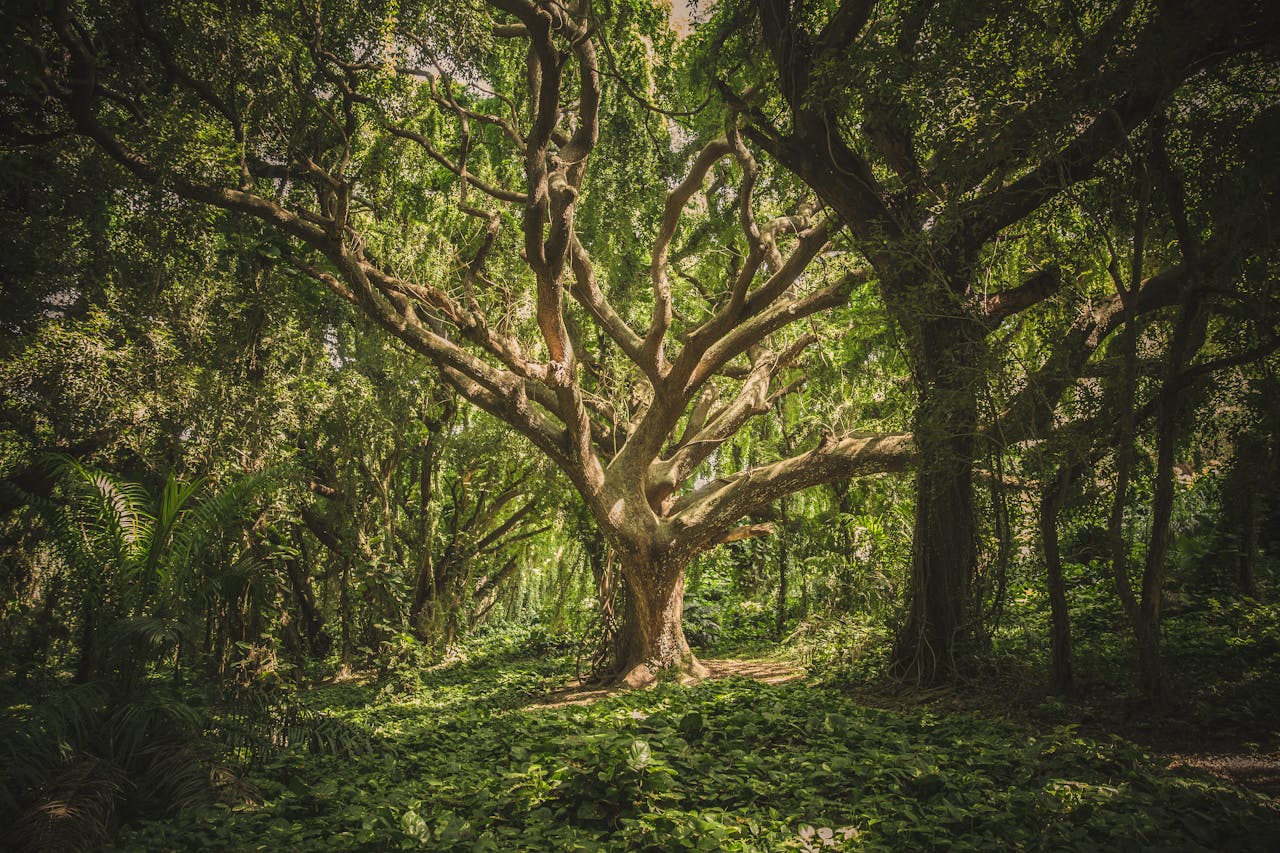
Imagine a health practice so powerful that it can lower your blood pressure, reduce stress hormones by 50%, boost your immune system, and improve your mood, all without a single medication or piece of equipment. This isn't science fiction. It's Shinrin-Yoku, the Japanese practice of "forest bathing" that has been scientifically proven to offer profound health benefits, especially for people over 50.
Shinrin-Yoku (pronounced shee-rin-yo-ku) literally translates to "forest bath" or "absorbing the forest atmosphere." But this isn't about hiking for miles or achieving fitness goals. It's about mindfully immersing yourself in nature, using all five senses to connect with the natural world around you.
Since its development in 1982, Shinrin-Yoku has become a cornerstone of preventive healthcare in Japan, where doctors regularly prescribe "forest therapy" to patients. Now, as research continues to validate its remarkable benefits, this ancient practice is gaining recognition across North America as a powerful tool for healthy aging.
What Is Shinrin-Yoku? Understanding Forest Bathing
Shinrin-Yoku was officially developed as a wellness practice by the Japanese government in 1982 as part of a national health program. The concept was simple but revolutionary: intentional, mindful time spent in forested areas can significantly improve both physical and mental health.
Unlike hiking or traditional outdoor recreation, Shinrin-Yoku is not about physical exertion or reaching a destination. Instead, it's about slowing down, being present, and consciously engaging with nature through all your senses: seeing the play of light through leaves, hearing birdsong and rustling branches, feeling bark textures and cool breezes, smelling the earthy forest scent, and even tasting fresh air.

The Science Behind Forest Bathing
What makes Shinrin-Yoku more than just a pleasant walk in the woods is the growing body of scientific research supporting its health benefits. Japanese researchers have conducted numerous studies showing that time spent in forests triggers measurable physiological changes in the human body.
The secret lies partly in phytoncides, natural compounds released by trees and plants. When you breathe in forest air, you inhale these phytoncides, which have been shown to boost the activity of natural killer (NK) cells in your immune system. These cells are crucial for fighting infections and even preventing certain types of cancer.

Hiking Focuses On:
- • Physical exercise and endurance
- • Covering distance or reaching summits
- • Achieving fitness goals
- • Often involves challenging terrain
Shinrin-Yoku Focuses On:
- • Sensory immersion and mindfulness
- • Present-moment awareness
- • Therapeutic benefits
- • Gentle, accessible movement
Powerful Health Benefits of Shinrin-Yoku for Seniors Over 50
Research has revealed that Shinrin-Yoku offers specific benefits that are particularly valuable for people over 50. Here's what the science tells us:
1. Support for Healthier Blood Pressure
High blood pressure is one of the most common health concerns among adults over 55. Japanese forest medicine research has repeatedly observed that time spent walking slowly in a forest is associated with modest reductions in both systolic and diastolic blood pressure, effects that can linger for days after the visit. For seniors on blood pressure medication, Shinrin-Yoku can be a useful complement to (never a replacement for) medical treatment.
2. Reduced Stress and Cortisol Levels
Shinrin-Yoku is widely associated with measurable drops in cortisol, the body's primary stress hormone, compared with time spent in urban environments. Forest medicine researchers have found that even short forest visits (sometimes as brief as 15 minutes) can reduce cortisol, slow the pulse, and ease blood pressure.
3. Enhanced Immune System Function
Dr. Qing Li and colleagues at Nippon Medical School have documented that forest bathing is associated with a meaningful boost in natural killer (NK) cell activity, part of the immune system that helps the body fight infection and disease. Their research suggests these effects can persist for several days after a forest visit. For seniors whose immune systems naturally weaken with age, this matters.
4. Improved Mood and Reduced Depression
Forest therapy is consistently associated with lower depression and anxiety scores among older adults. The combination of gentle activity, rich sensory input, and a calming natural environment creates a setting that supports emotional wellbeing in a way few indoor interventions can match.
5. Better Sleep Quality
Forest bathing reduces stress hormones that interfere with sleep, increases physical tiredness through gentle activity, regulates circadian rhythms through natural light exposure, and promotes relaxation. Studies show significant improvements in both sleep quality and duration.
6. Cognitive Benefits and Mental Clarity
Natural environments allow the brain to rest from constant urban stimulation, a process called "attention restoration." This mental break improves focus, creativity, and memory. For seniors concerned about maintaining mental sharpness, Shinrin-Yoku offers a natural cognitive boost.
7. Reduced Inflammation & Pain Management
Chronic inflammation contributes to arthritis, heart disease, diabetes, and other long-term conditions. Forest bathing has been linked to lower levels of inflammatory markers and to gentle relief of chronic pain, with benefits that can extend well beyond the day of the walk itself.

How to Practice Shinrin-Yoku: A Step-by-Step Guide
The beauty of Shinrin-Yoku is its simplicity. You don't need special training, expensive equipment, or perfect physical fitness. Here's how to practice forest bathing effectively:
Step 1: Choose Your Forest Location
You don't need a pristine wilderness area. Any space with trees will work:
- • Local parks with wooded areas
- • Nature preserves or green spaces
- • Botanical gardens with tree canopy
- • Trail systems with gentle, accessible paths
- • Even tree-lined neighborhoods can offer benefits
The ideal location has sufficient tree coverage, safe paths, minimal urban noise, and places to sit and rest.
Step 2: Plan for 2-3 Hours
Research suggests that 2-3 hours is optimal for experiencing the full therapeutic effects. This doesn't mean continuous walking. It includes time for sitting, observing, and simply being present.
If 2-3 hours seems daunting, start with 20-30 minutes and gradually increase your time.
Step 3: Leave Technology Behind
To fully engage with nature, minimize digital distractions:
- • Put your phone on silent or airplane mode
- • Avoid listening to music or podcasts
- • Skip the fitness tracker for this activity
- • Leave the camera behind (or only use it sparingly)
Step 4: Walk Slowly and Aimlessly
This isn't exercise. There's no need to maintain a brisk pace or cover distance. Walk slowly enough that you can notice details around you. Some practitioners recommend covering less than half a mile in an hour.
Let yourself wander without a specific route. The Japanese call this "forest rambling," allowing curiosity and intuition to guide your path.
Step 5: Engage All Five Senses
This is the heart of Shinrin-Yoku. Consciously use each sense to connect with your surroundings:

Step 6: Practice Mindful Presence
Bring your attention fully to the present moment. When your mind wanders to worries or distractions, gently bring focus back to your sensory experience. You might silently note: "I'm seeing sunlight through leaves," "I'm hearing a woodpecker."
Step 7: Take Breaks to Sit and Observe
Find spots to sit for 10-15 minutes at a time. Watch the forest without analyzing, notice how different stillness feels, practice deep breathing, and allow yourself to simply be. These rest periods are when many physiological benefits become most pronounced.
Step 8: Finish with Gratitude
Before leaving, take a moment to thank the forest, reflect on what you noticed, set an intention to return, and notice how you feel compared to when you arrived. This closing ritual reinforces the positive effects.
What to Bring for Shinrin-Yoku
Essential Items
- • Comfortable, weather-appropriate clothing
- • Supportive walking shoes with good traction
- • Water bottle to stay hydrated
- • Light snack if you have blood sugar concerns
- • Cell phone for emergencies (kept on silent)
Optional Helpful Items
- • Small folding seat or cushion
- • Light rain jacket
- • Sun hat and sunscreen
- • Insect repellent during bug season
- • Small notebook for reflections

Tips for Seniors with Limited Mobility
Forest bathing is remarkably accessible, even for people with physical limitations:
Walking Challenges
- • Choose paved or well-maintained trails
- • Use walking or trekking poles
- • Consider a rollator with a seat
- • Visit wheelchair-accessible trails
Balance Concerns
- • Stay on wider trails
- • Have a companion walk with you
- • Choose flatter terrain
- • Practice seated on a bench
Fatigue Issues
- • Start with 20-minute sessions
- • Drive to trailhead, walk short loops
- • Choose locations with restrooms
- • Go during mild weather
Remember: Even sitting in a forest for 30 minutes provides measurable health benefits.

Best Times and Seasons for Forest Bathing
Spring
Nature's renewal, mild temperatures, blooming wildflowers, higher phytoncide levels. Can be muddy.
Summer
Lush canopy provides shade, peak phytoncide production, longer days. Go early morning or evening.
Fall
Spectacular colors, comfortable temperatures, earthy scents, fewer crowds than summer.
Winter
Unique beauty and stillness, evergreens maintain benefits, fewer crowds. Requires warm layers.
Optimal Time of Day: Morning sessions (before 11 AM) provide cooler temperatures, higher phytoncide concentrations, and quieter trails.

Common Mistakes to Avoid
- Treating It Like Exercise
Don't approach with a fitness mentality. Shinrin-Yoku is about being, not doing. It's therapy, not a workout.
- Staying in Your Head
If you spend your visit mentally planning or worrying, you're not truly practicing. The benefits come from sensory engagement and present-moment awareness.
- Rushing Through It
Walk slower than feels natural. If you catch yourself speeding up, pause and take three deep breaths before continuing.
- Giving Up Too Soon
Commit to trying forest bathing 1-2 times weekly for at least a month before deciding if it works for you.
Frequently Asked Questions
Do I need an actual forest, or will a park work?
How long before I notice benefits?
Is Shinrin-Yoku safe for seniors with health conditions?
What if I have allergies to trees or pollen?
Can I practice Shinrin-Yoku every day?
Why Shinrin-Yoku Is Perfect for Seniors Over 50
- It's Gentle: Unlike high-intensity workouts, Shinrin-Yoku poses minimal injury risk while providing substantial health benefits.
- It's Accessible: No special fitness levels, equipment, or training needed. Anyone who can be in nature can practice.
- It's Affordable: After basic outdoor clothing, forest bathing is free. Most forest areas don't charge admission.
- It Addresses Multiple Issues: Rather than separate interventions, Shinrin-Yoku improves stress, blood pressure, immunity, and mood at once.
- It's Sustainable: Unlike exercise programs you might quit, forest bathing is inherently pleasant, and most people want to continue.
- It Connects You Socially: Whether with a partner or group, forest bathing combats the isolation many seniors experience.
Start Your Shinrin-Yoku Practice Today
You now have everything you need to begin experiencing the profound health benefits of forest bathing. This simple practice of walking slowly and mindfully through nature has the potential to improve your physical health, mental wellbeing, and overall quality of life.
The forests are waiting, offering their healing atmosphere freely to all who enter with open senses and unhurried hearts. No reservations required, no membership fees, no prerequisites except a willingness to slow down and notice.
The question isn't whether Shinrin-Yoku works. Decades of research confirm that it does. The only question is: when will you give yourself permission to practice this life-changing form of self-care?
Medical Disclaimer
This article is for informational purposes only and should not replace professional medical advice. Always consult with your healthcare provider before starting any new wellness practice, especially if you have existing health conditions or concerns.